The world of home design is constantly changing, and 2025 is shaping up to be an exciting year for our living spaces. The latest trends are all about blending comfort, style, and personal well-being in creative ways. Our homes are becoming more than just places to live. They are evolving into personal sanctuaries that reflect our values and support our lifestyles. The biggest home design trends for 2025 focus on creating environments that feel both beautiful and functional. We're seeing a move towards spaces that are calming, connected to nature, and thoughtfully designed to make everyday life a little bit better. Get ready to explore how you can bring these fresh, inspiring ideas into your own home.
Minimalist with a Cozy Twist
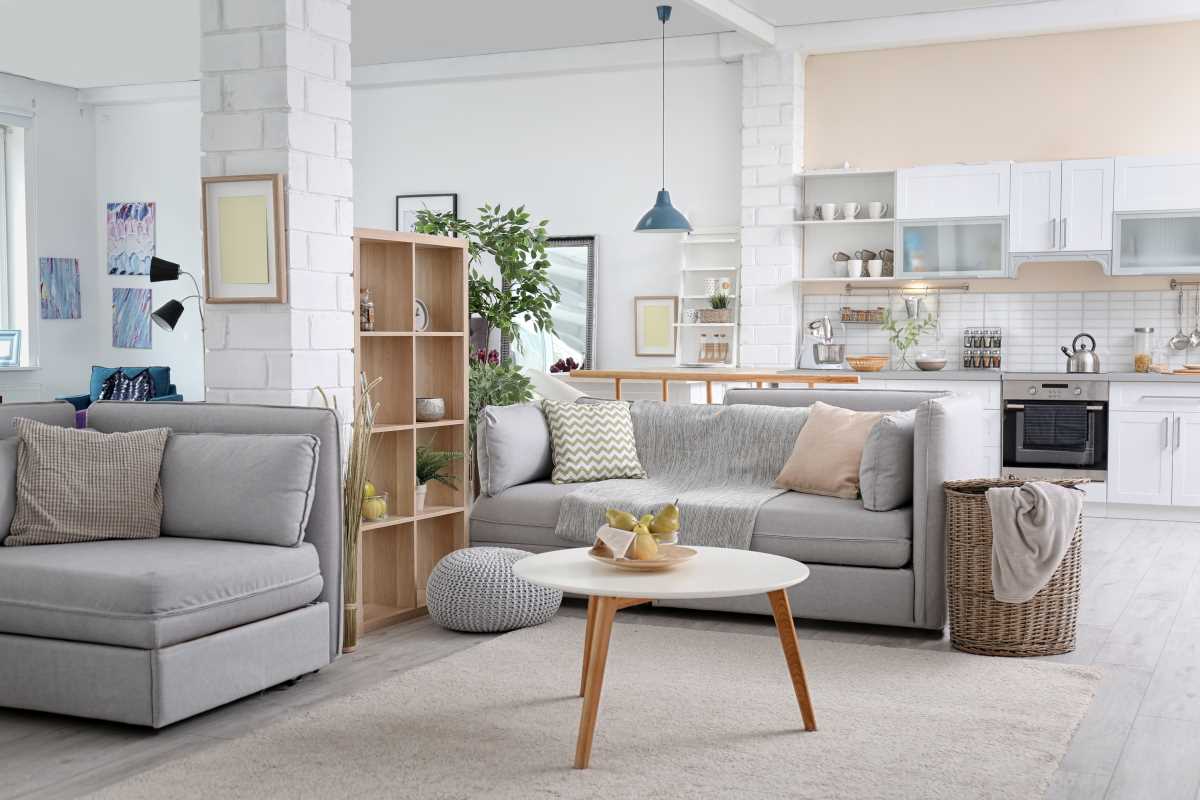
Minimalism is getting a warm and inviting update in 2025. This trend moves away from stark, cold spaces and embraces a more comfortable, livable version of simplicity. You may have heard of "Japandi" style, which perfectly captures this idea by blending Japanese minimalism with Scandinavian coziness. The focus is on clean lines, uncluttered surfaces, and a neutral color palette, but with plenty of soft textures and natural materials to make the space feel like a warm hug. Think light wood furniture, plush wool rugs, linen curtains, and soft, warm lighting that creates a peaceful atmosphere.
This approach is about creating a serene environment that promotes relaxation and well-being. It’s not about getting rid of all your belongings, but about being intentional with what you display. The key is to choose pieces that are both beautiful and functional. A room designed with this trend in mind feels airy and open, yet deeply personal and comfortable. You might use bamboo furniture, add some neutral-toned cushions to your sofa, and incorporate simple, handcrafted pottery. It’s a style that proves less can truly be more, especially when "more" means more comfort and calm.
Textured Walls and Ceilings
Get ready to say goodbye to flat, boring surfaces. In 2025, texture is taking over our walls and even our ceilings, adding depth and character to every room. This trend is all about making your home's architecture more interesting and dynamic. Instead of just a coat of paint, designers are using materials like wood paneling, decorative plaster finishes, and even textured wallpaper to create stunning focal points. The "fifth wall," or the ceiling, is finally getting the attention it deserves with treatments that draw the eye upward and make a space feel more complete.
This trend allows for a lot of creativity. You could install a feature wall with vertically slatted wood panels behind your bed for a modern, organic look. In the dining room, a textured wallpaper on the ceiling can add an unexpected touch of elegance. Plaster finishes, like limewash or Venetian plaster, provide a soft, earthy texture that adds a sense of history and craftsmanship to a room. These tactile surfaces catch the light in unique ways, changing the look and feel of the space throughout the day. It’s a fantastic way to make a statement without overwhelming a room with color or pattern.
Home Wellness Spaces
Our focus on health and well-being is moving beyond the gym and into our homes. A major trend for 2025 is the creation of dedicated wellness spaces designed for relaxation, meditation, and rejuvenation. These aren't necessarily large, separate rooms. They can be a small corner of your bedroom, a converted closet, or a spa-like bathroom. The goal is to carve out a specific area in your home where you can de-stress and recharge. These spaces are all about engaging the senses to create a tranquil escape from the hustle of daily life.
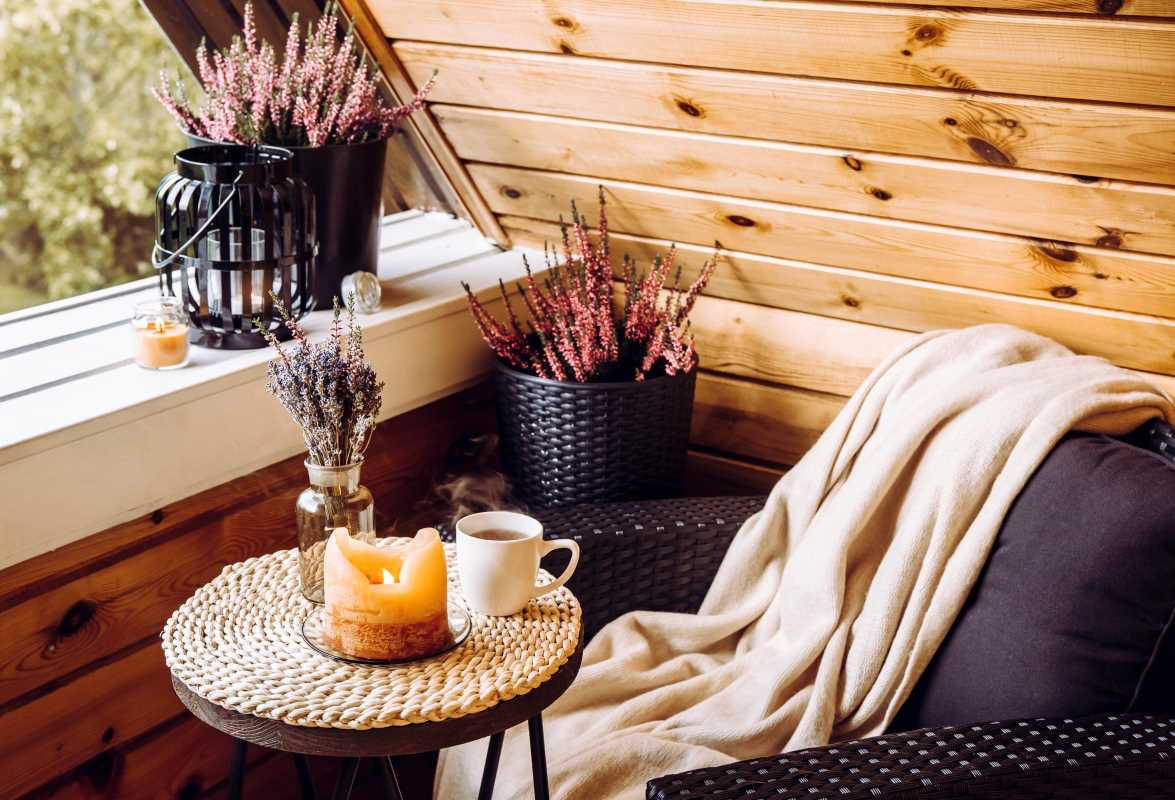
To create your own wellness nook, think about incorporating elements that calm the mind and body. Natural light is a huge component, so placing your space near a window is ideal. Indoor plants can purify the air and bring a sense of nature indoors. Use a calming color palette with soft blues, greens, or earthy neutrals. A comfortable yoga mat, some meditation cushions, or a plush armchair can provide a dedicated spot for your wellness practice. You can also add elements like an essential oil diffuser for aromatherapy or a small water feature for soothing sounds. It’s about creating a personal sanctuary that supports your mental and physical health.
Integrated Outdoor Living
The line between inside and outside is becoming increasingly blurry, and that’s a very good thing. In 2025, the trend of integrated outdoor living continues to grow, transforming patios, decks, and backyards into seamless extensions of our indoor living areas. The idea is to make your outdoor spaces just as comfortable, stylish, and functional as any room inside your house. This approach not only expands your usable living area but also strengthens your connection to nature. Think cozy outdoor seating areas, fully equipped outdoor kitchens, and weather-resistant decor that creates a flawless flow.
Large glass doors that slide or fold away are a popular feature for this trend, as they can completely open up a living room or kitchen to the outdoors. An outdoor kitchen might include a built-in grill, a small refrigerator, and countertop space for food prep, making it easy to entertain guests without running back and forth. Comfortable, weather-resistant sofas and chairs, layered with outdoor rugs and pillows, can create a lounge area that feels like an open-air living room. Adding features like a fire pit or outdoor heaters can extend the usability of these spaces well into the cooler months, making them a year-round asset.
Sustainability and Eco-Friendly Living
Being kind to the planet is more important than ever, and this value is strongly reflected in 2025's home design trends. Sustainability is no longer a niche interest. It's a core principle guiding many design choices. This trend focuses on using materials and products that are environmentally friendly, ethically sourced, and built to last. It’s about creating a beautiful home that you can feel good about, knowing it has a smaller environmental footprint. This includes everything from the furniture you choose to the paint on your walls.
Look for furniture made from reclaimed wood, bamboo, or other rapidly renewable resources. Materials like vegan leather, organic cotton, and recycled textiles are becoming more common for upholstery and decor. Non-toxic, low-VOC (volatile organic compounds) paints are a healthier choice for both you and the environment. This trend also embraces the idea of "adaptive reuse," which means repurposing old furniture or architectural elements instead of buying new. A vintage dresser can be given a fresh coat of paint, or old barn wood can become a stunning feature wall. By investing in quality, sustainable pieces, you reduce waste and create a home with a unique story and timeless appeal.